.png)
Mental health, Identity and ADHD
- Feb 14
- 3 min read
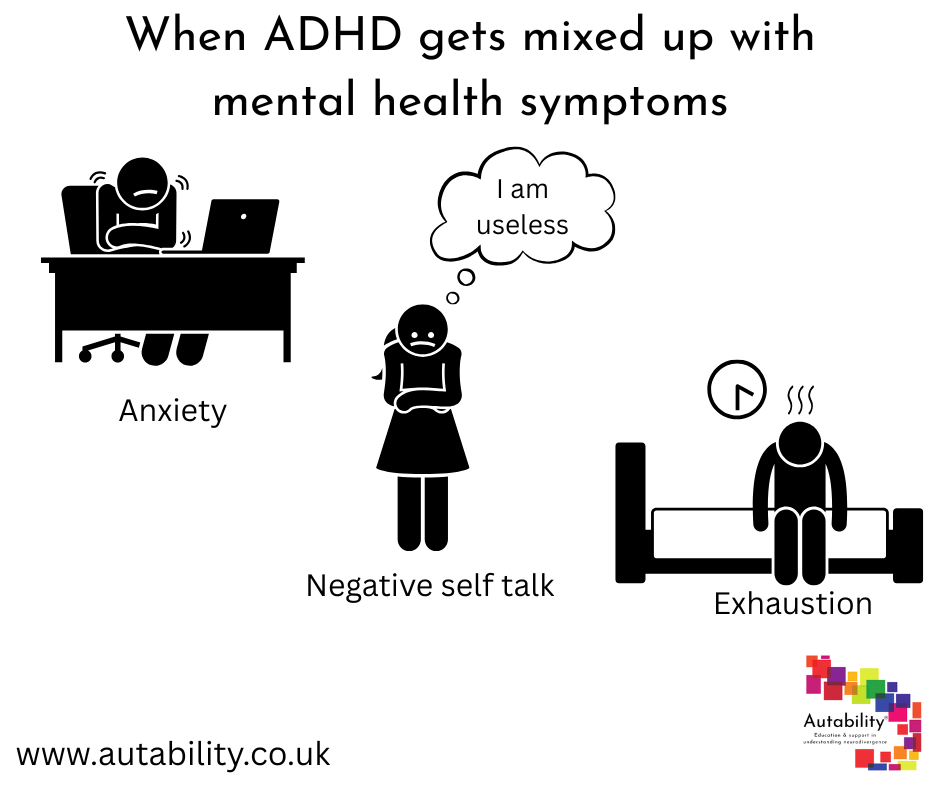
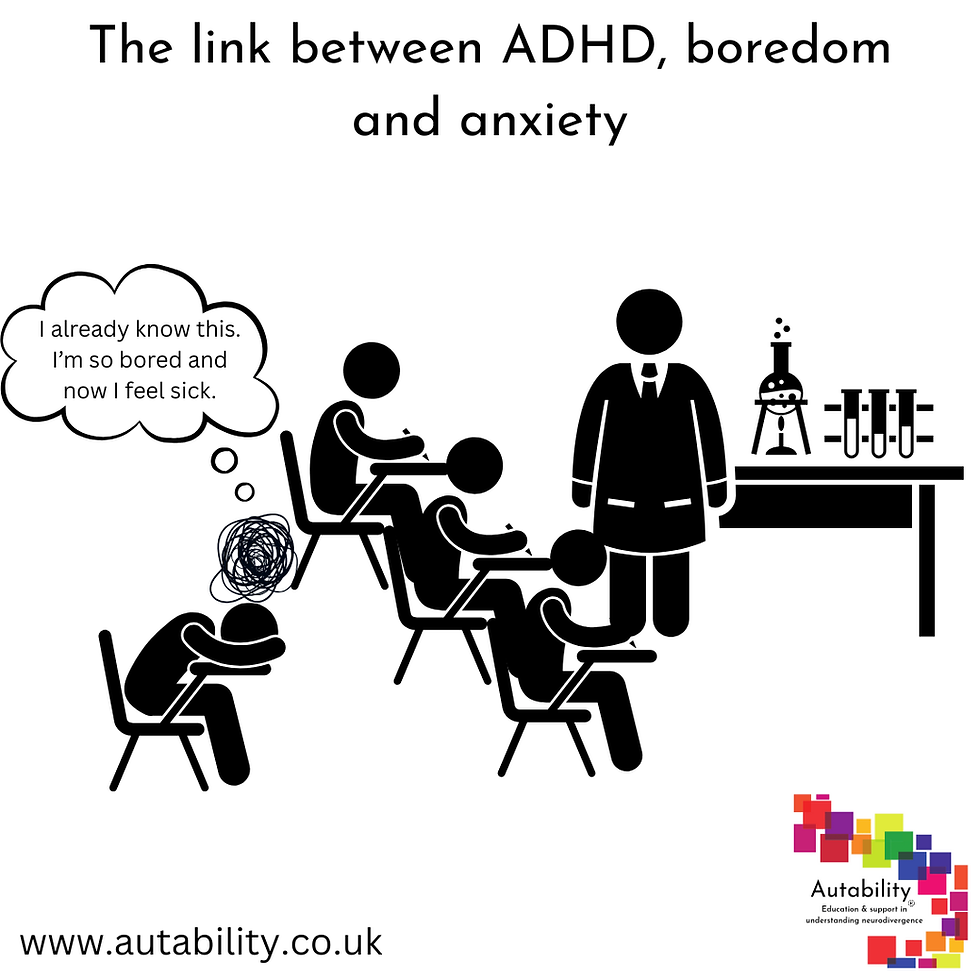
If you have a teenager who is both ADHD and LGBTQIA+, you might notice that anxiety affects them more than it does other teens. This is real. There are several reasons your teen may feel more stressed than their peers, and understanding these reasons is the first step to helping them.
This increased emotional sensitivity comes from the brain, not from choice. Everyday challenges like fitting in, making friends, and keeping up with schoolwork feel even more intense. When you add the stress of identity on top of this, it’s easy to see why anxiety can be a constant part of their life. Your teenager is navigating something that psychologists call intersectional minority stress. They don't just belong to one marginalised group; they belong to at least two.
Being LGBTQIA+ in a world that still largely assumes heterosexuality and cisgender identity is stressful in itself. Having ADHD in a school system designed for neurotypical learners is stressful, too. But these stressors don't simply add together; they multiply. Your teen might wonder: Am I treated differently because of my ADHD or my sexuality? Will coming out make teachers take my ADHD less seriously? If I stim or fidget, will people think I’m even weirder? Figuring out these questions, often without even realizing it, takes a lot of mental energy.
Many ADHD teenagers learn to mask: suppressing their natural behaviours to appear neurotypical. They force themselves to sit still, pretend to pay attention, and hide their overwhelm. It's exhausting, and research consistently links it to anxiety and depression. Many LGBTQIA+ teens also hide parts of themselves. They watch what they say, how they act, what they wear, and what they show interest in to avoid negative attention. They might laugh at jokes that hurt them, stay quiet when they want to speak, or act differently around different people.
Coming out is not just one moment. It is a process of constantly deciding and judging risk: Is this person safe? What will happen if I tell them? What if I don’t? Each of these small decisions needs skills that ADHD makes harder, like planning, controlling impulses, thinking through outcomes, and reading social cues. Your teen might feel stuck because everything feels so complicated, or they might come out suddenly and then worry about what happens next.
Both reactions make sense when you understand the challenges with executive function. Understanding the "why" behind your teen's anxiety doesn't fix it, but it changes how you respond to it, and that matters enormously. Here are some things that can help.
Believe the scale of what they're feeling. When your teen says something is unbearable, they may mean it literally. Validating their experience rather than minimising it ("everyone gets nervous") builds the trust they need to keep talking to you.
Help your teen feel safe to be themselves at home. Let them stim, dress how they like, and talk about their identity without making it a big deal every time. The less energy they use hiding at home, the more they have for other things.
Help your teen figure out which feelings come from ADHD, which are about their identity, and which are just normal teenage problems. They don’t always need a clear answer, but having words for what’s happening can help them feel more in control.
Make sure your teen’s support team understands all parts of who they are. If they see a therapist, ADHD coach, or school counsellor, help them see the full picture.
Often, ADHD support misses identity issues, and LGBTQIA+ support misses neurodivergence. Your teen needs people who understand both. You don’t have to become an expert in ADHD or LGBTQIA+ identities right away, but showing your teen that you are willing to learn—by reading, asking good questions, and connecting with other parents—shows them they are not alone and that you are there for them. Your understanding and openness can make a big difference as they face these challenges, helping build trust and resilience. Remember, you are both learning and growing together.
Our ADHD Burnout Prevention & Recovery Workbook is on offer until Sunday 15th February 2026! Get a copy absolutely FREE when you buy either the Ultimate Teen Survival Guide or Teen Anxiety Bundle. Just add one of those products and the workbook to your basket and the discount will appear automatically. Or, purchase a copy for just £6.99! Check out the links below:


Comments